Introduction
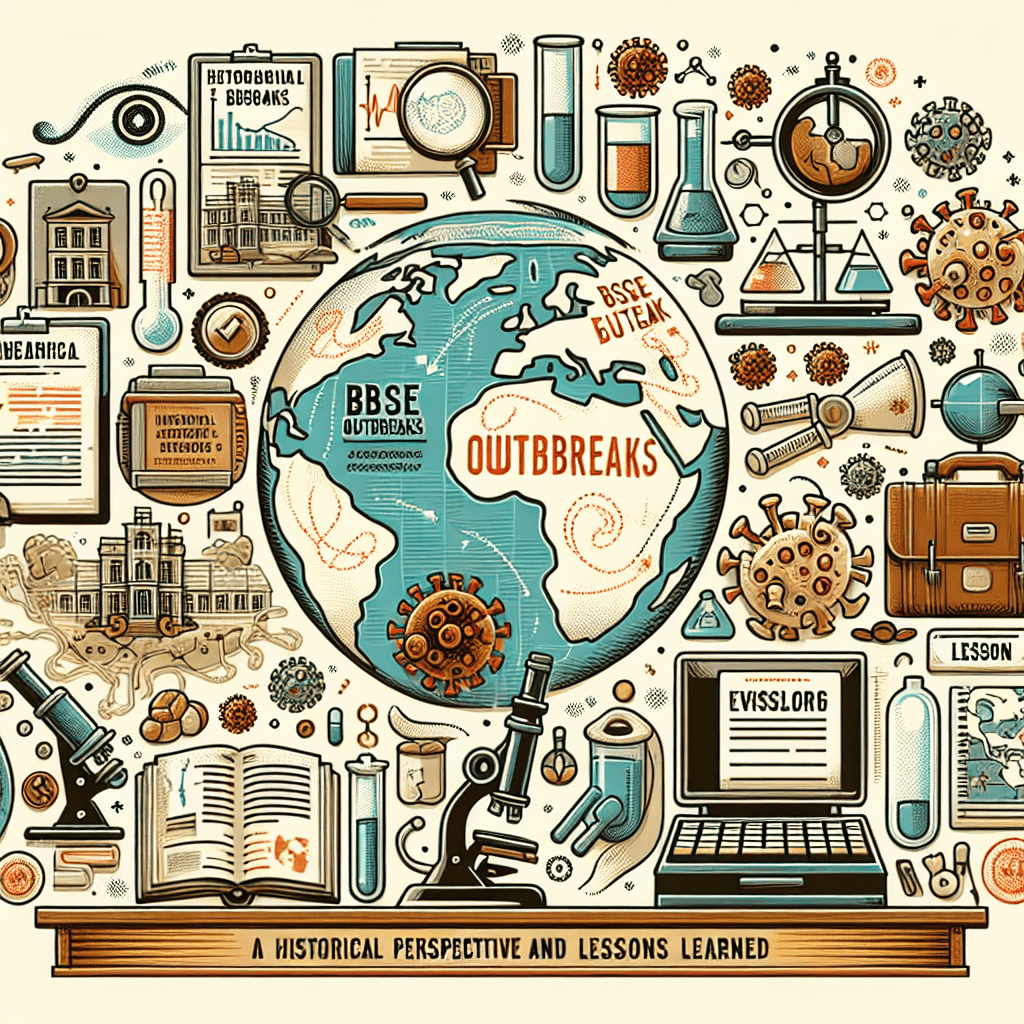
Bovine Spongiform Encephalopathy (BSE), commonly known as mad cow disease, is a progressive neurological disorder of cattle that has had significant implications for public health and the beef industry. First identified in the 1980s in the United Kingdom, BSE is caused by prions—misfolded proteins that induce neurodegeneration. This article explores the history of BSE outbreaks, the lessons learned from these events, and their implications for food safety and veterinary practices.
Historical Overview of BSE Outbreaks
The first recognized case of BSE occurred in 1986 in the UK. However, the disease’s roots likely extended further back due to inadequate surveillance and reporting mechanisms.
The outbreak grew alarmingly in the late 1980s, leading to stricter regulations around cattle feed. The disease was primarily transmitted via contaminated feed containing meat and bone meal from infected cattle. By 1992, BSE had spread widely in the UK, leading to approximately 180,000 reported cases by 1993.
As knowledge of BSE expanded, so did its detection across Europe and beyond. Countries such as Ireland, France, and Canada soon reported cases, prompting widespread concern regarding food safety. In 1996, the link between BSE and variant Creutzfeldt-Jakob Disease (vCJD) was established, raising alarms about the potential human health implications.
Global Response and Regulations
In response to the BSE crisis, global agencies, including the World Organization for Animal Health (OIE) and the European Food Safety Authority (EFSA), formulated comprehensive regulations aimed at preventing BSE outbreaks. Key measures included:
- Feed Regulations: Banning the use of ruminant protein in animal feeds.
- Surveillance Programs: Implementing rigorous testing protocols for cattle.
- Traceability Systems: Ensuring all cattle can be traced from farm to slaughterhouse.
Countries adopted varying measures, with some implementing outright bans on beef imports from affected regions. The crisis ultimately reshaped policies governing meat production and safety worldwide.
Lessons Learned
The BSE outbreaks offered several critical lessons:
1. Importance of Surveillance
Epidemiological surveillance is vital for identifying and controlling zoonotic diseases before they escalate into public health crises.
2. Need for Regulatory Frameworks
Anti-cross-contamination regulations in food production are crucial to safeguard human health. Countries implemented stringent feed manufacturing practices post-BSE.
3. Public Communication
Effective communication with the public about food safety risks is essential. Misinformation can exacerbate public panic, leading to significant economic consequences.
4. International Cooperation
The global nature of the meat trade necessitates cooperation among countries to share information, standards, and best practices.
Conclusion
The BSE outbreaks represented a significant crisis in both animal health and public safety that has transformed food production practices globally. While extensive measures are now in place to prevent similar occurrences, the importance of vigilance, education, and preparedness cannot be overstated. The lessons from BSE’s history continue to guide policy and practices in agricultural sectors worldwide.
FAQs
What is BSE?
Bovine Spongiform Encephalopathy (BSE) is a neurological disorder in cattle caused by prions, which are misfolded proteins leading to brain degeneration.
How is BSE transmitted?
BSE is primarily transmitted through contaminated feed containing infected tissues from other cattle.
Can humans get sick from BSE?
Yes, humans can develop variant Creutzfeldt-Jakob Disease (vCJD) from consuming infected beef products.
What measures are in place to prevent BSE?
Measures include prohibiting ruminant protein in animal feed, rigorous testing of cattle, and enhanced tracing systems.
Have there been eradications of BSE outbreaks?
Many countries have successfully reduced BSE incidents through strict regulations and improved monitoring, although sporadic cases still occur.