
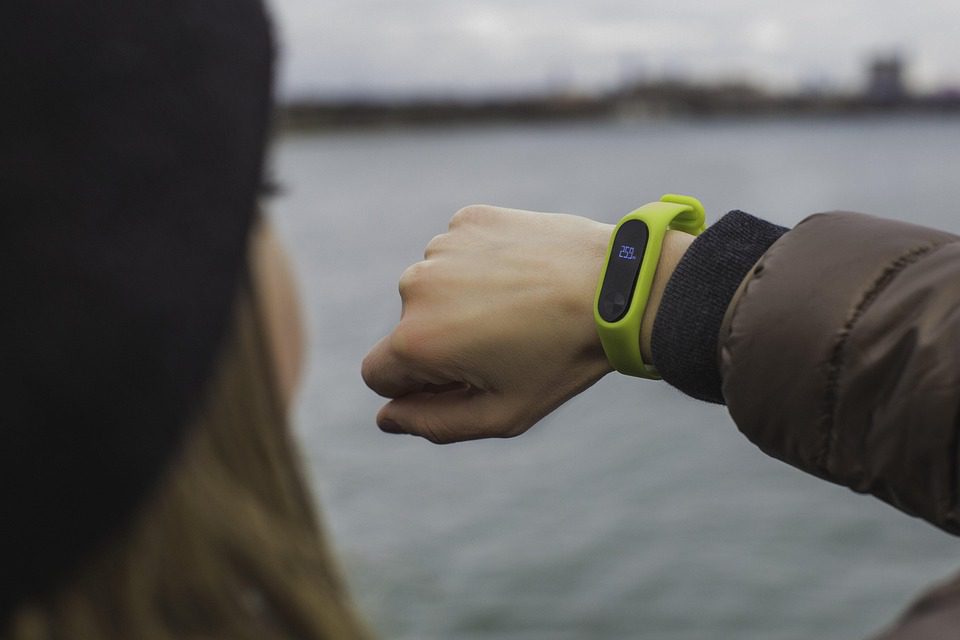
In an age where technology has permeated every facet of our lives, fitness trackers have emerged as a revolutionary tool in the realm of health and fitness. Whether you’re a seasoned athlete or just embarking on your fitness journey, these devices can significantly enhance your workout routine. This article explores how fitness trackers can transform the way you approach your workouts and overall health.
1. Enhanced Goal Setting
One of the most significant benefits of using a fitness tracker is the ability to set and monitor specific fitness goals. Fitness trackers allow you to customize and calibrate your objectives according to your needs and preferences. Whether you want to lose weight, build muscle, or increase your endurance, having clear goals helps you stay motivated and focused.
2. Real-time Data Tracking
Fitness trackers provide real-time data on various metrics, including heart rate, calorie burn, step counts, and more. This immediate feedback helps you adjust your workout intensity on the fly. For example, if your heart rate is lower than your target zone, you can increase the intensity of your workout, ensuring that you maximize the benefits.
3. Personalized Workout Plans
Many modern fitness trackers come with built-in algorithms that analyze your previous activity data to suggest personalized workout plans. These recommendations are tailored to your fitness level and goals, making it easier for you to stay on track and challenge yourself progressively.
4. Accountability and Motivation
Personal accountability is a key driver of success in any fitness journey. Fitness trackers foster this sense of accountability by allowing you to share your progress with friends, family, or even the tracker’s community. Some trackers offer challenges that you can participate in with others to boost your motivation and make workouts more enjoyable.
5. Improved Recovery Insights
Understanding when to push yourself and when to rest is crucial for long-term success. Fitness trackers can monitor your recovery patterns, providing insights into your sleep quality, stress levels, and overall recovery. This data allows you to listen to your body and make informed decisions about your workout schedule, helping to prevent injuries and promote longevity in your fitness routine.
6. Integration with Other Health Apps
Fitness trackers often integrate seamlessly with other health and wellness apps, allowing you to create a holistic view of your health. By syncing data across different platforms, you can better understand how your diet, sleep, and activity levels interact, enabling you to make more informed lifestyle choices.
7. Gamification of Fitness
Many fitness trackers employ gamification techniques to make workouts more engaging. Features like badges, points, and leaderboards contribute to a fun and competitive environment, helping you stay motivated and invested in your fitness journey.
8. Tracking Long-term Progress
The ability to track long-term progress is one of the most powerful features of fitness trackers. Historical data can show you trends in your performance, helping identify strengths and areas needing improvement. Reflecting on your progress can provide a significant motivational boost and reinforce a sense of accomplishment.
Conclusion
Fitness trackers have the potential to transform your workout routine and elevate your overall fitness journey. By offering real-time data, personalized insights, and fostering accountability and motivation, these devices can help you reach your health and fitness goals more effectively. Whether you’re a beginner or an experienced athlete, incorporating a fitness tracker into your routine can empower you to take control of your wellness like never before.
FAQs
1. What metrics do fitness trackers commonly measure?
Most fitness trackers can measure a variety of metrics such as heart rate, steps taken, calories burned, sleep quality, and activity levels. Some advanced models also track VO2 max, stress levels, and even specific workouts.
2. Can fitness trackers help with weight loss?
Yes, fitness trackers can be particularly useful for weight loss. By helping you monitor your caloric intake and expenditure, they can assist in creating a caloric deficit necessary for weight loss. Tracking physical activity also encourages consistency.
3. Are fitness trackers accurate?
While fitness trackers provide valuable insights, their accuracy can vary based on the model and the specific metric being measured. Generally, they are reliable for tracking trends but may have slight variances in precise measurements.
4. Do I need to wear my tracker all the time?
While it’s highly beneficial to wear your fitness tracker during workouts and daily activities to get the most accurate data, you can choose to remove it during certain activities, such as swimming, depending on the device’s water resistance.
5. How do I choose the right fitness tracker for me?
When selecting a fitness tracker, consider factors such as your fitness goals, preferred metrics, design preferences, and budget. Many brands offer a range of options catering to different needs and lifestyles, so you should find one that suits you well.